
By hand






Hand knitting
The best yarn for hand knitting: quality and softness in every strand
At Lanas Rubí, we know that every knitting project starts with choosing the right material. The yarn for hand knitting is important for its texture, strength, and softness of each strand. To ensure that every creation reflects quality and comfort, we offer a wide range of options adapted to different styles and levels of knitting experience.
In addition to selecting the best material, knowing different knitting techniques is key to achieving precise and high-quality results. Depending on the type of yarn and the desired effect, various methods can be applied to improve the structure and finish of each piece.
How to choose the best yarn for hand knitting?
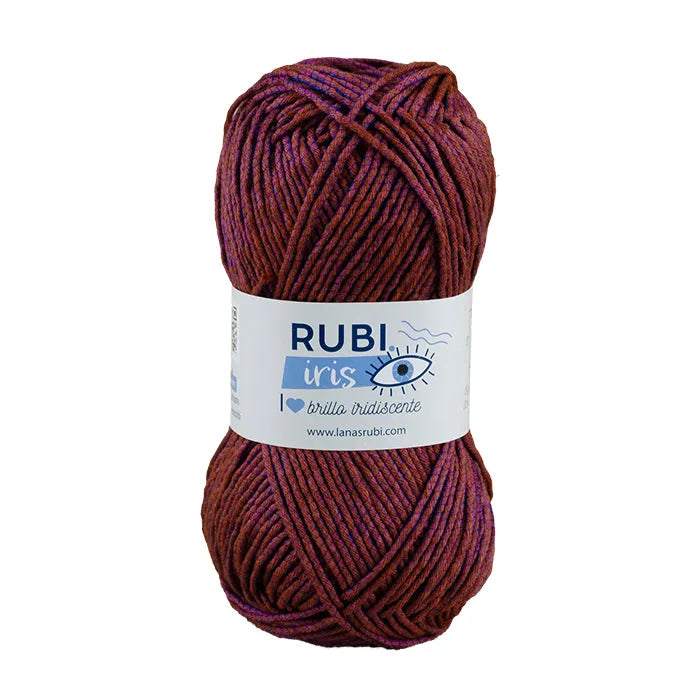
Selecting the ideal yarn depends on the type of garment or accessory you want to make. In our online store, we have alternatives for both beginners and experts in manual crafts, allowing you to find the perfect option for each project. To get the best results, it is important to combine the choice of material with appropriate knitting techniques that maximize the quality of the final work. Rubí Iris yarn is an exceptional option for your garments.
Some key aspects to consider include:
- Composition: From natural fibers, such as sheep's wool and alpaca, to high-quality synthetic options, each type of yarn offers distinct characteristics in terms of strength, maintenance, and durability.
- Thickness: The gauge of the yarn directly influences the texture of the fabric and the working time. While thick yarns are ideal for quick and warm projects, finer yarns allow for more elaborate and precise details, especially when more detailed knitting techniques are applied.
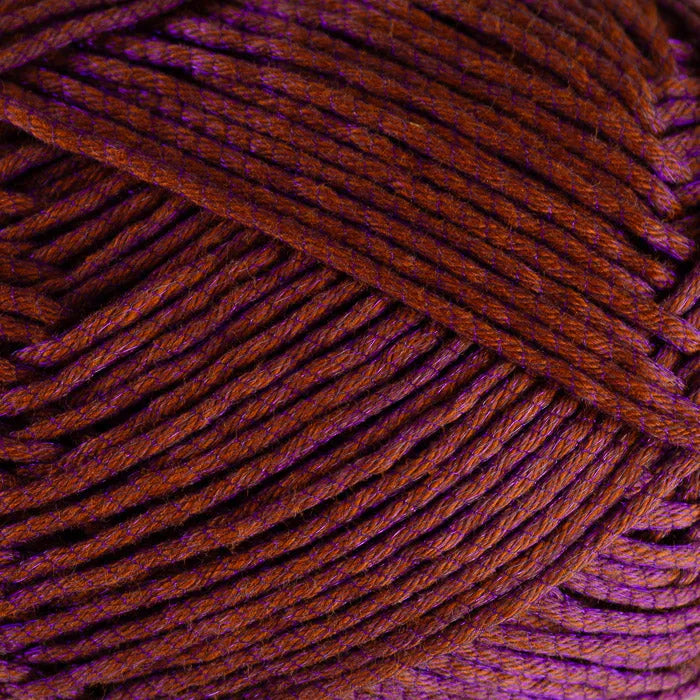
- Texture and softness: For garments that will be in direct contact with the skin, such as scarves, sweaters, or blankets, it is advisable to opt for materials with a pleasant feel that prevent irritation.
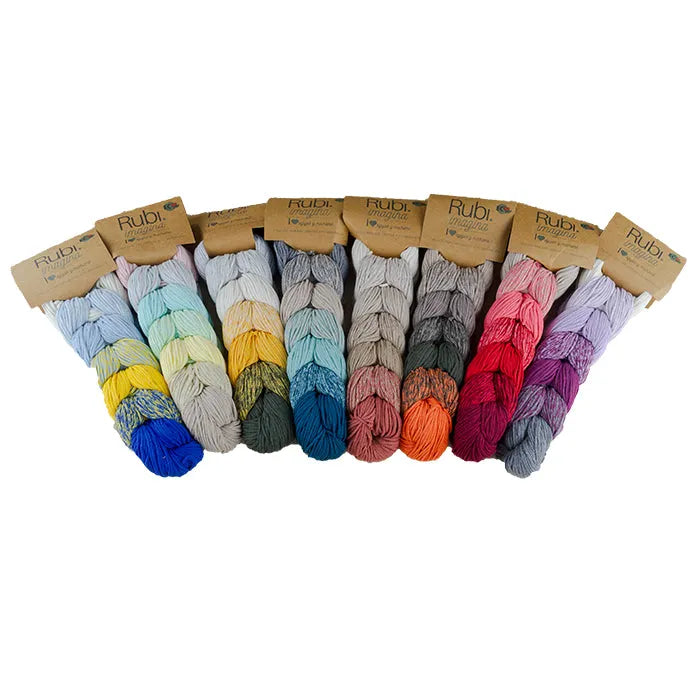
- Colors and finishes: At Lanas Rubí, we have a wide variety of shades and textures that allow you to customize each creation according to the style and preferences of the knitter.
Knitting techniques with different types of yarn available at Lanas Rubí
Each type of yarn has unique properties that make it more suitable for certain projects. In our collection, you will find options designed to offer the best knitting experience. Applying the appropriate knitting techniques to each material will yield better results in terms of texture, flexibility, and strength.
1. Merino wool
Known for its exceptional warmth, elasticity, and softness, merino wool is one of the best choices for making baby clothes, scarves, and sweaters. Thanks to its hypoallergenic properties, it is ideal for sensitive skin, ensuring comfort without irritation. It is recommended to use circular or double-pointed needle knitting techniques to maximize its elasticity and structure.
2. Acrylic yarns
An excellent alternative for those looking for easy maintenance and great durability. Their ability to retain both color and texture over time makes them an ideal choice for making blankets, cushions, and everyday garments. To optimize their appearance, it is recommended to use knitting techniques with uniform tension and adjust the yarn thickness according to the desired design.
Benefits of knitting with quality materials
At Lanas Rubí, we believe that choosing a high-quality material makes all the difference in every knitting project. By opting for a premium option, you get advantages such as:
- Greater durability, ensuring that each creation maintains its shape and appearance over time.
- Ease in handling stitches and structures, which allows for a uniform and neat finish.
- Vibrant colors and homogeneous textures, which enhance the aesthetics of each knitted piece.
- A more pleasant knitting experience, without discomfort in the hands and with materials that glide smoothly on the needles.
To enhance these benefits, it is advisable to complement the choice of material with appropriate knitting techniques that enhance the texture and improve the firmness of the fabric.
Essential care to prolong the life of knitted items
To preserve the beauty and texture of each knitted garment, it is essential to follow certain recommendations to ensure its durability:
- Wash by hand with cold water and mild detergent, avoiding the use of aggressive products that may affect the fiber.
- Do not use fabric softeners, as they can alter the structure of the fabric and reduce its elasticity.
- Dry horizontally, placing the garment on a towel to prevent deformation.
- Store skeins in a dry and moisture-free place, protecting them from dust and possible agents that could deteriorate them.
- Applying knitting techniques that allow adjusting the yarn tension and stitch structure also contributes to prolonging the life of knitted items.
Frequently Asked Questions
1. What type of yarn is best for hand knitting?
The choice of yarn type depends on the purpose of the project. For garments, natural fibers such as merino wool stand out for their softness and warmth. If a more economical and easy-to-maintain option is desired, acrylic yarns are recommended. For those who prefer a more luxurious finish, alpaca wool is an excellent alternative due to its softness and strength. Regardless of the material, applying appropriate knitting techniques optimizes the quality of the fabric.
2. How to care for knitted items to make them last longer?
It is essential to follow specific care instructions to prolong the life of each knitted garment:
- Always wash with cold water and a mild detergent, avoiding harsh chemicals.
- Dry on a flat surface on a towel, without hanging the garment, to prevent it from deforming from the weight of the water.
- Store garments in a cool, dry place, preferably in fabric bags that allow ventilation and prevent moisture buildup or the presence of moths.
3. How much yarn is needed for a project?
The amount of yarn required varies depending on the type of garment to be made. As a reference:
- An adult sweater usually requires between 800 and 1200 grams of wool.
- For hats and scarves, it is recommended to use between 100 and 300 grams.
- It is always advisable to buy a little more than estimated to avoid running out and ensure color uniformity throughout the garment. Applying knitting techniques that optimize material usage can help reduce waste.
Find the perfect yarn at Lanas Rubí
We are passionate about accompanying you in each of your creations. Explore our online store and discover the best selection of yarn for hand knitting, with the quality and variety you need to bring your ideas to life.
If you want to learn more about different knitting techniques, consult our resources and tutorials to improve your skills and optimize each of your projects.

ENVÍOS EN 24 - 72 HR
Para que comiences tu labor lo antes posible

PORTES GRATIS
A partir de 50€ de compra

ATENCIÓN AL CLIENTE
Teléfono o WhatsApp 664 073 121
O por email infoweb@lanasrubi.com

FORMAS DE PAGO
Bizum, tarjeta, Google pay, Apple pay