Winter and autumn yarns: your essential guide to choosing the best option
At Lanas Rubí, we know that choosing the right yarn is key to achieving quality garments and projects. A good material not only provides warmth and comfort, but also influences durability, finish, and ease of maintenance.
Each season presents specific needs, and winter and autumn yarns offer different alternatives depending on the climate, texture, and versatility of the fabric. In this guide, we help you learn about the best options for each season and their essential characteristics.
Understanding textile fibers for cold seasons
Textile fibers are crucial in the functionality of garments. They not only affect comfort and style, but also thermal performance and breathability.
In cold weather, the goal is heat retention, lightness, and comfort, and each fiber has properties that make it suitable for different uses. Winter and autumn yarns are designed to meet these needs, offering natural and synthetic options that maximize protection and durability.
Natural yarns: tradition and comfort
Natural fibers have been used for centuries to create durable and warm garments. They are characterized by their softness, thermal regulation, and hypoallergenic properties. Natural autumn and winter yarns provide an ideal balance between warmth and breathability.
1. Alpaca wool
Hailing from the Andes, alpaca wool is one of the most prized fibers for its extraordinary softness and superior thermal capacity. Unlike other wools, it is light and non-itchy, making it ideal for people with sensitive skin.
Recommended uses: coats, scarves, sweaters, and winter accessories.
2. Merino wool
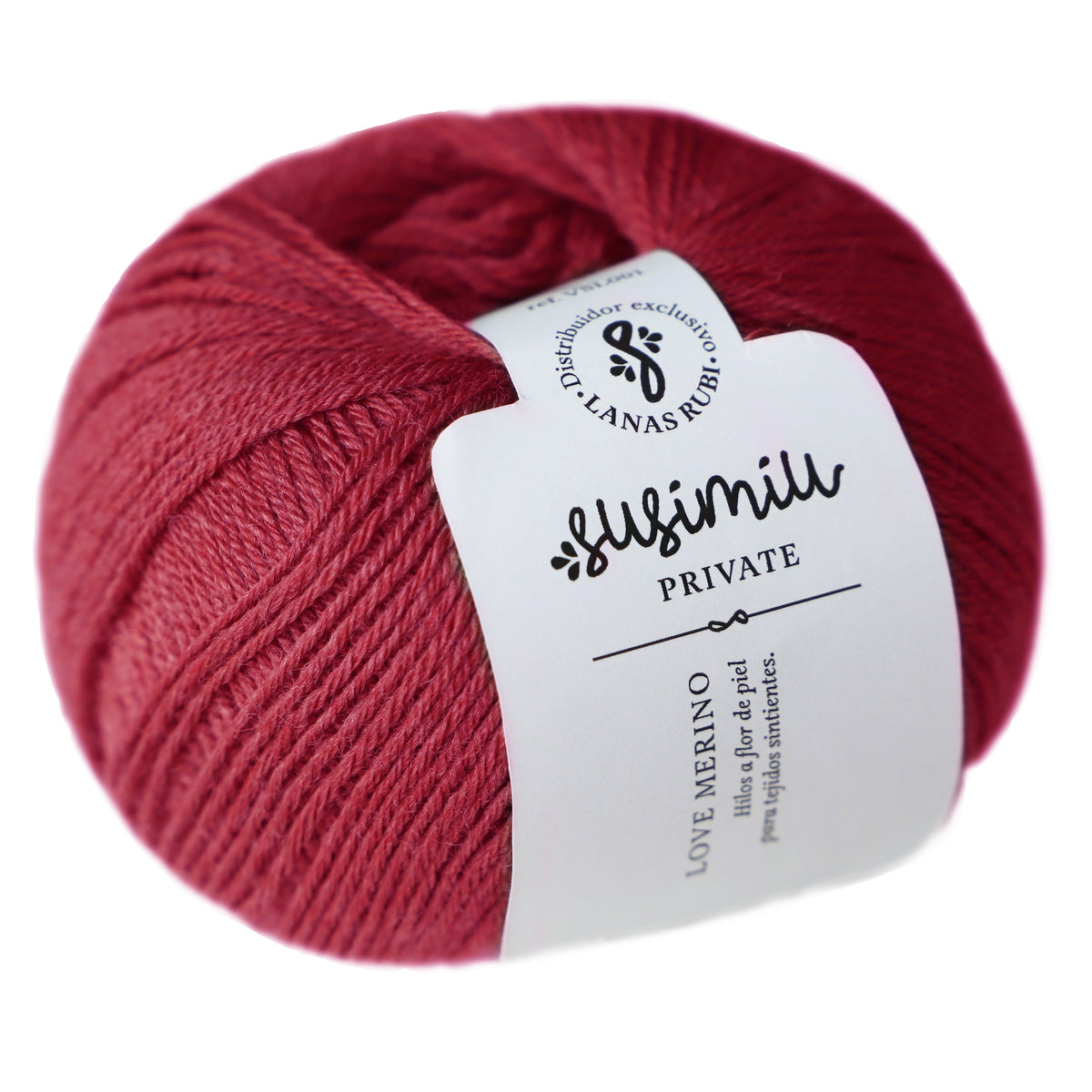
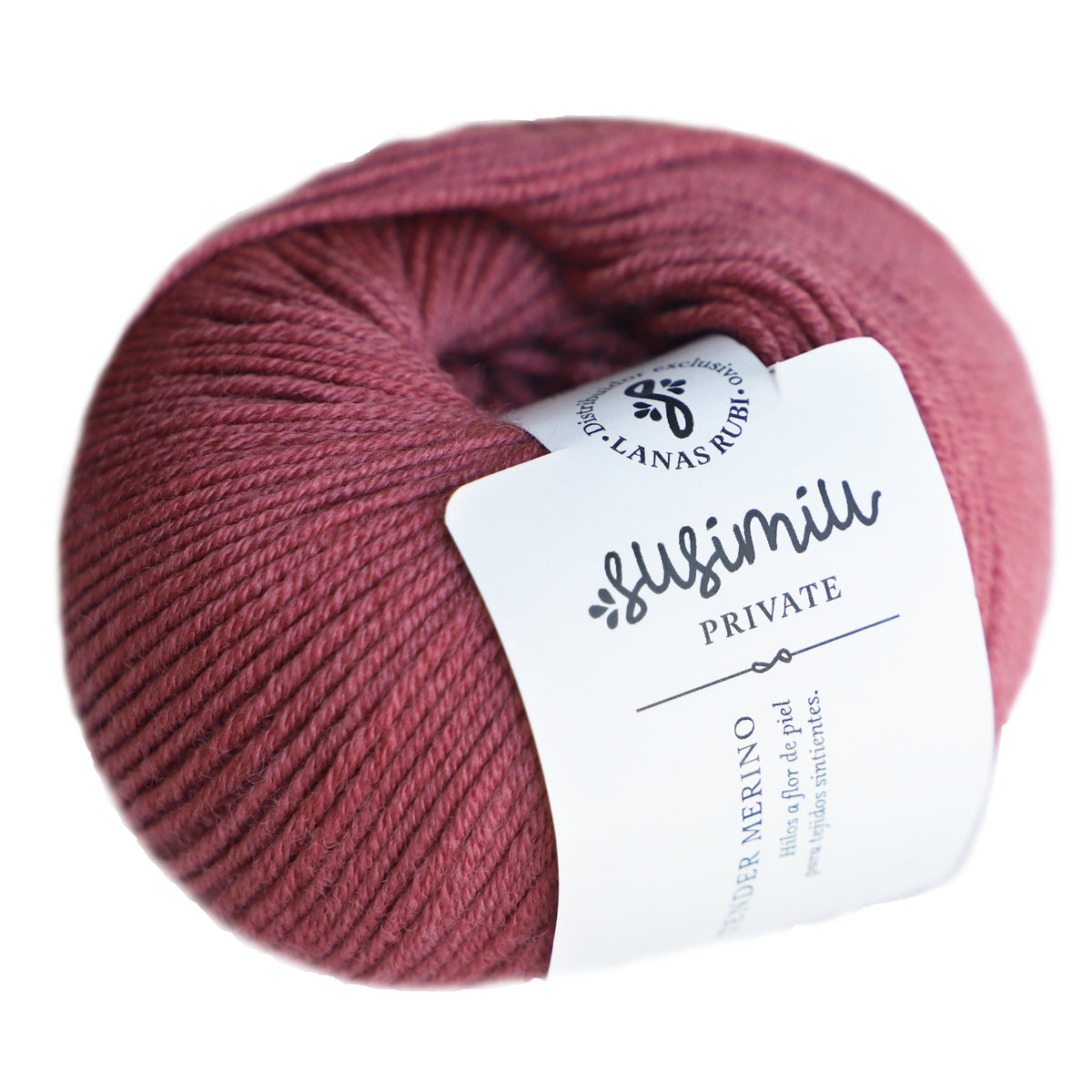
Renowned for its fineness and softness, merino wool is ideal for garments in contact with the skin. Its fibers are thinner than traditional wool, making it more breathable and flexible.
Recommended uses: thermal underwear, hats, socks, and light transitional garments.
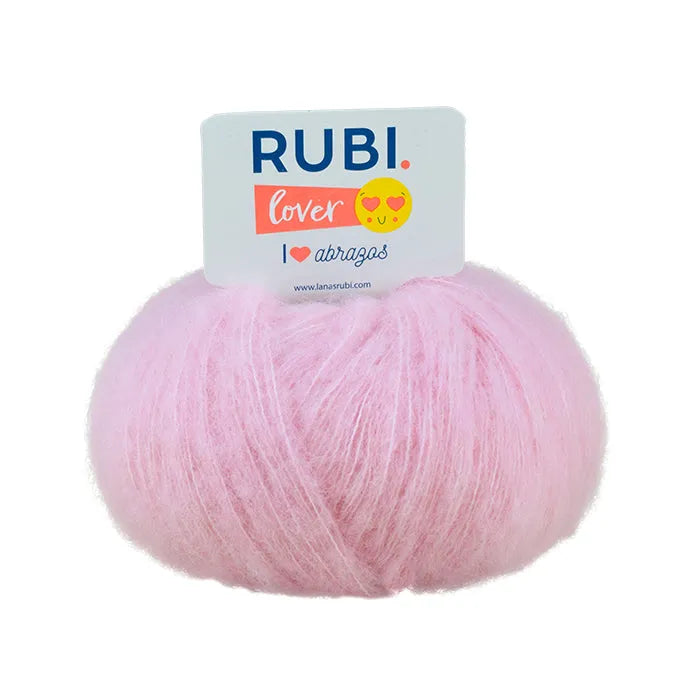
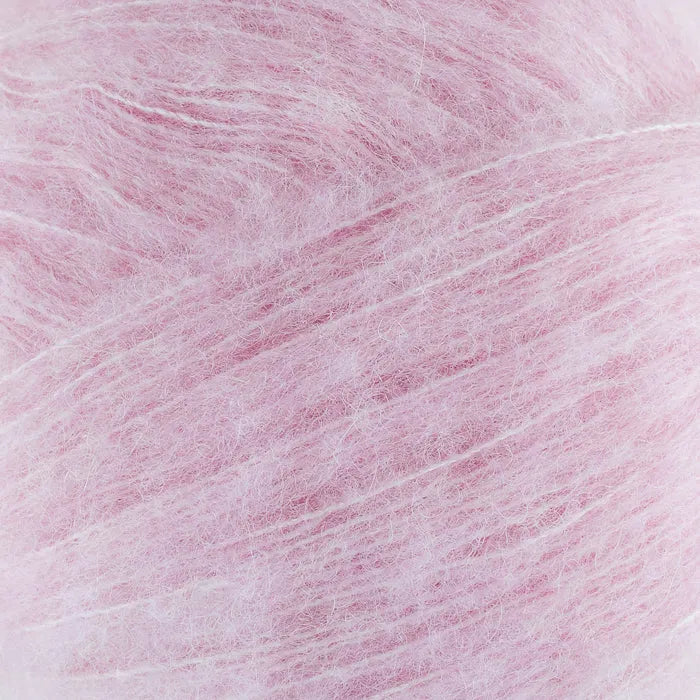
3. Mohair wool
Derived from the Angora goat, this fiber is known for its luster and elasticity. Its luxurious appearance and softness make it a favorite for elegant fabrics.
Recommended uses: shawls, fine sweaters, garments with a satiny effect.
Synthetic fibers: innovation and versatility
Synthetic fibers have evolved to become a reliable option for functional and high-performance garments. Synthetic winter and autumn yarns, such as polypropylene, offer a modern alternative with unique benefits.
Polypropylene as the protagonist
- Lightness: It is one of the lightest fibers, perfect for comfortable and easy-to-wear garments.
- Thermal insulation: Its heat retention capacity is superior to some natural fibers.
- Hydrophobicity: Repels moisture, keeping the body dry in humid conditions.
- High resistance: Does not deform or lose its properties with frequent use.
Advantages of autumn and winter yarns
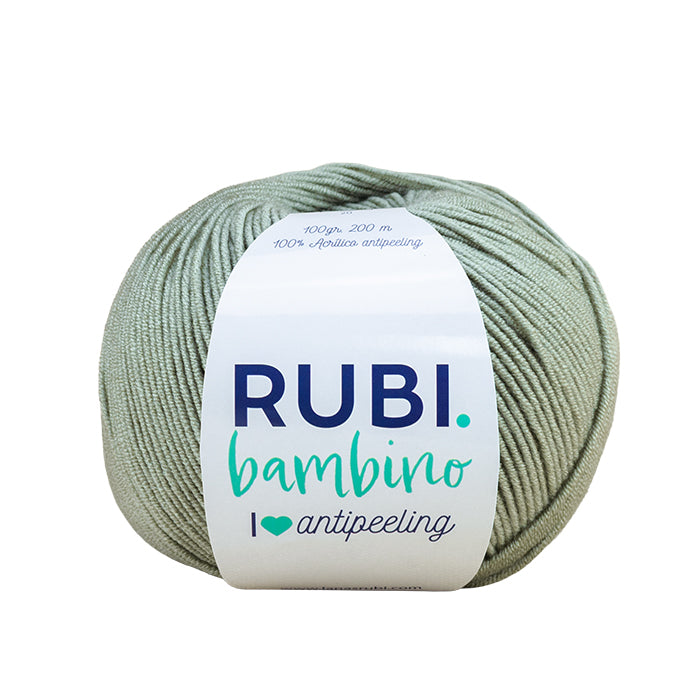
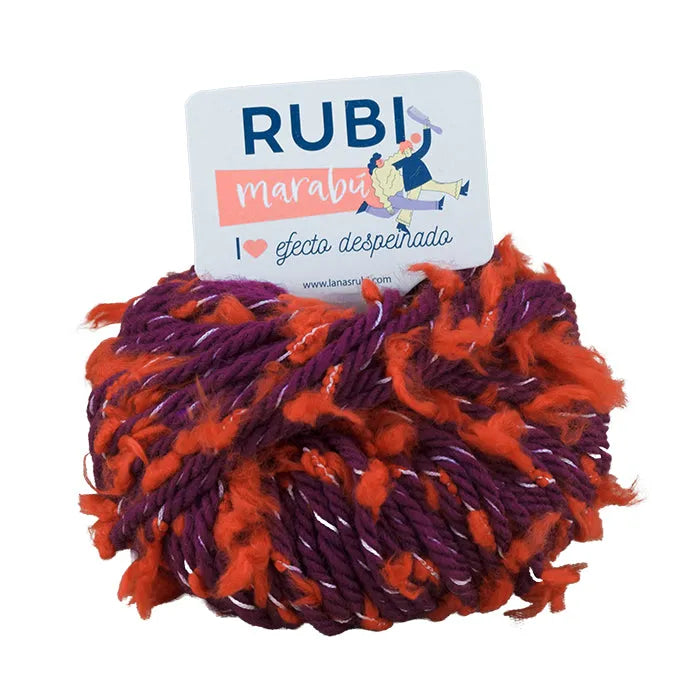
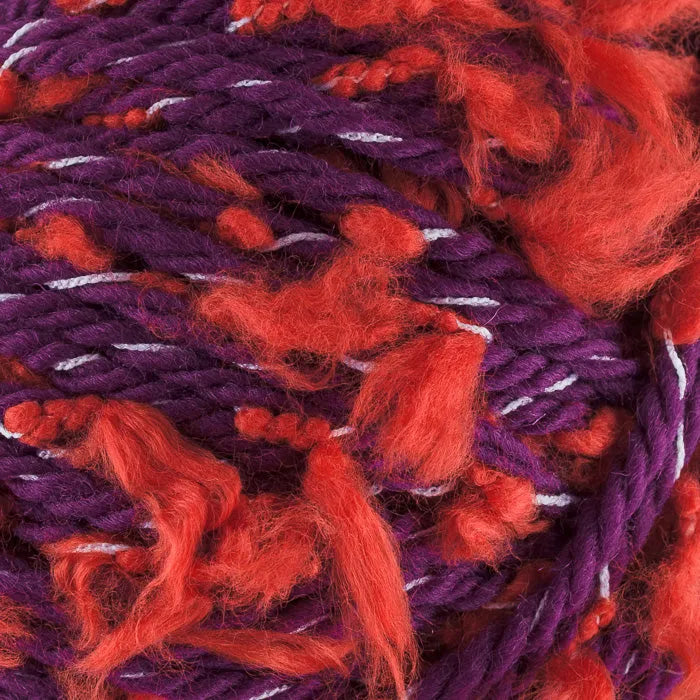
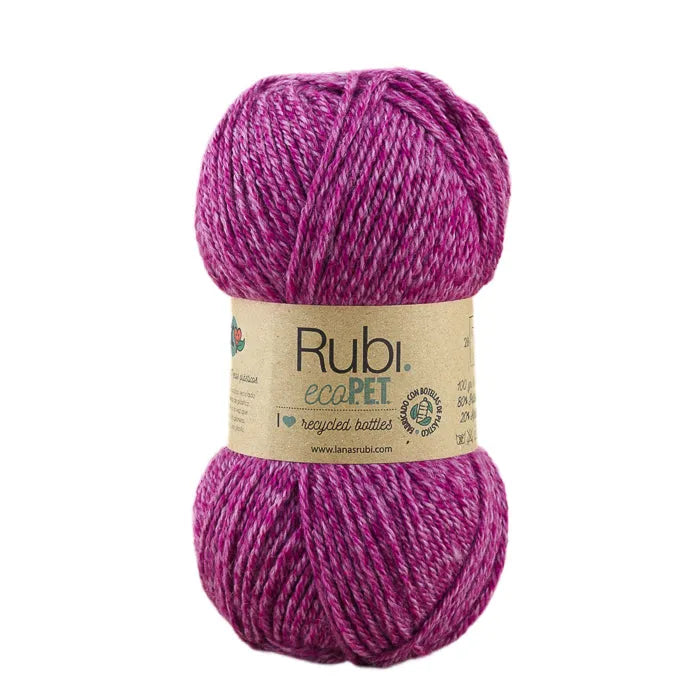
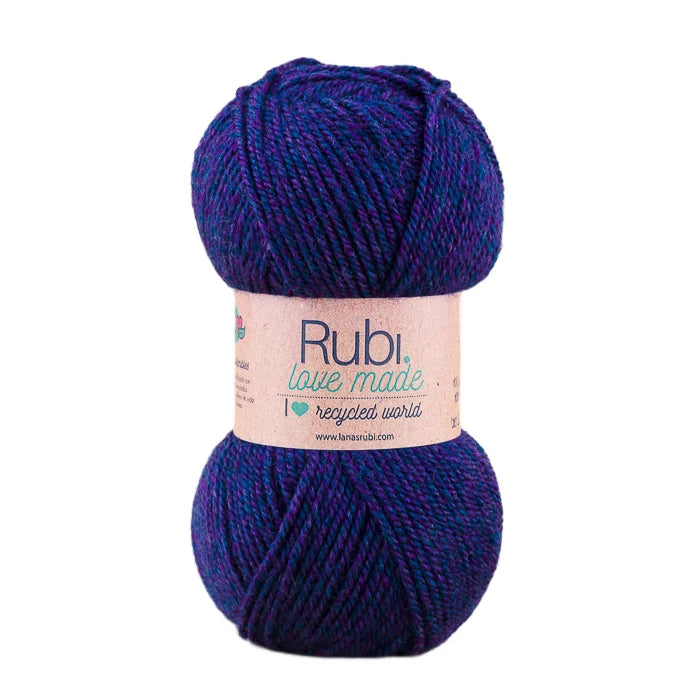
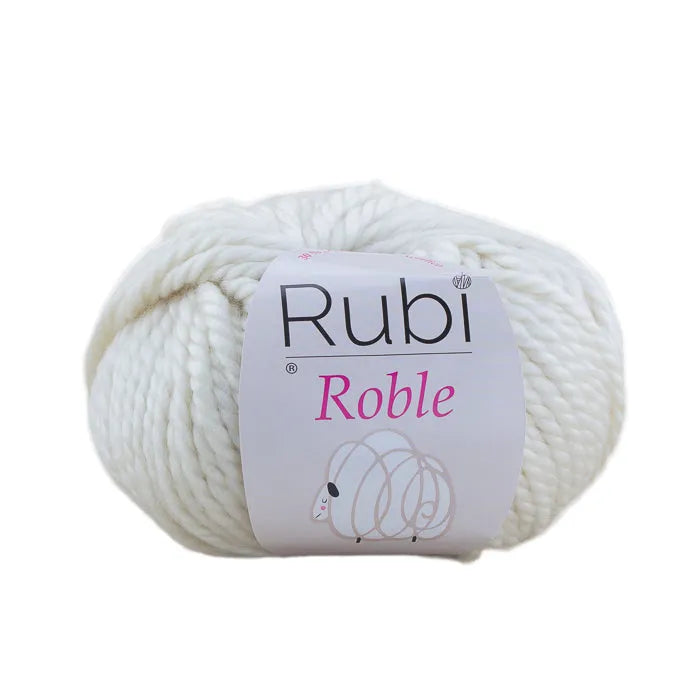
At Lanas Rubí, we offer 66% wool, 23% acrylic, 11% polyester knitting products of the highest quality, such as RUBI MARABU, designed to guarantee durability and comfort.
Why choose it?
- Versatility: Useful for fashion, decoration, and functional accessories.
- Low maintenance: Does not retain odors and is easily washable.
- Durability: Maintains its color and shape longer.
- Variety of colors
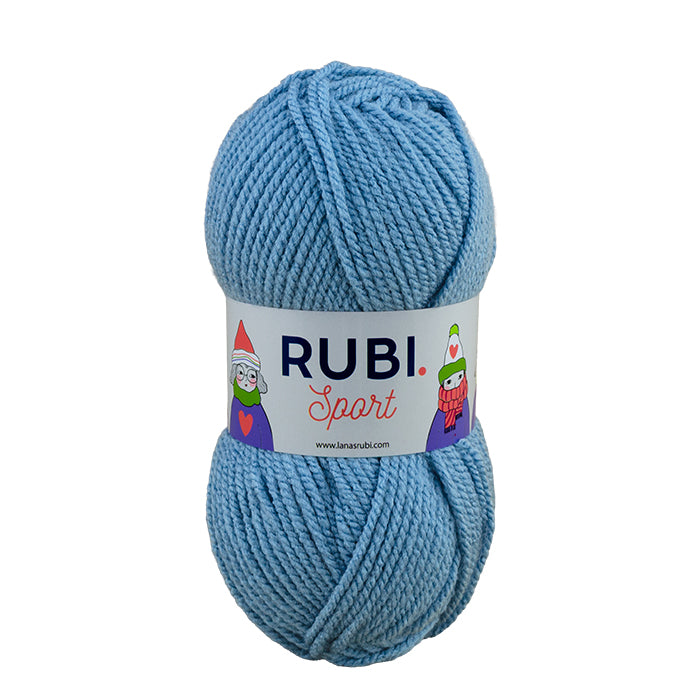
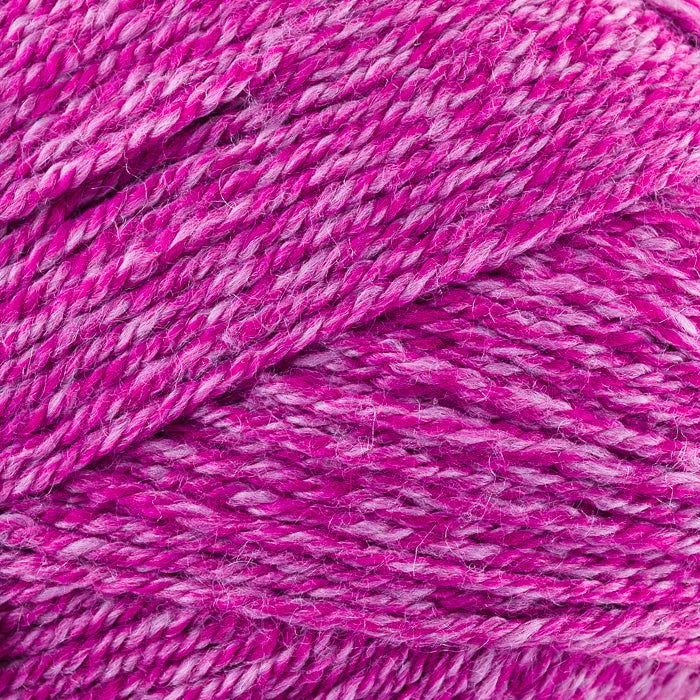
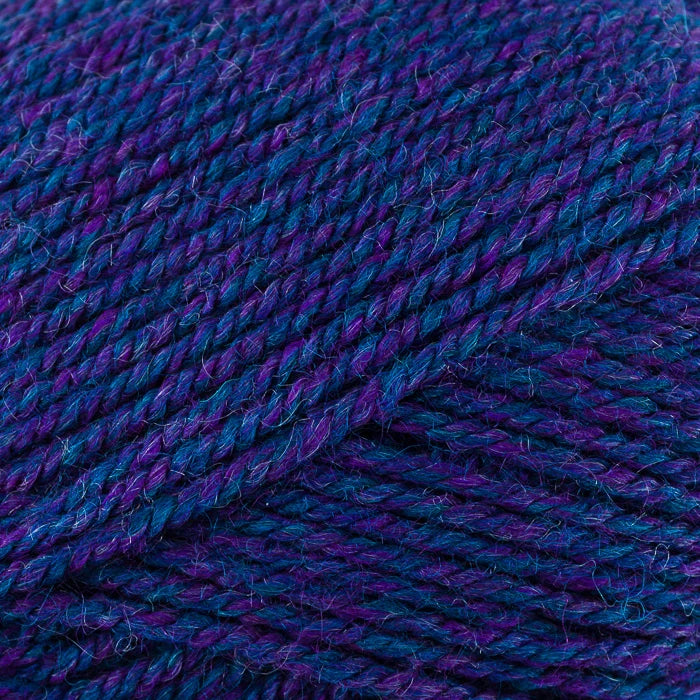
Polypropylene autumn and winter yarns are available in a wide range of colors:
- Neutral and classic tones: black, gray, beige, and white, ideal for elegant and timeless looks.
- Vibrant and modern colors: red, mustard, electric blue, emerald green, perfect for striking pieces.
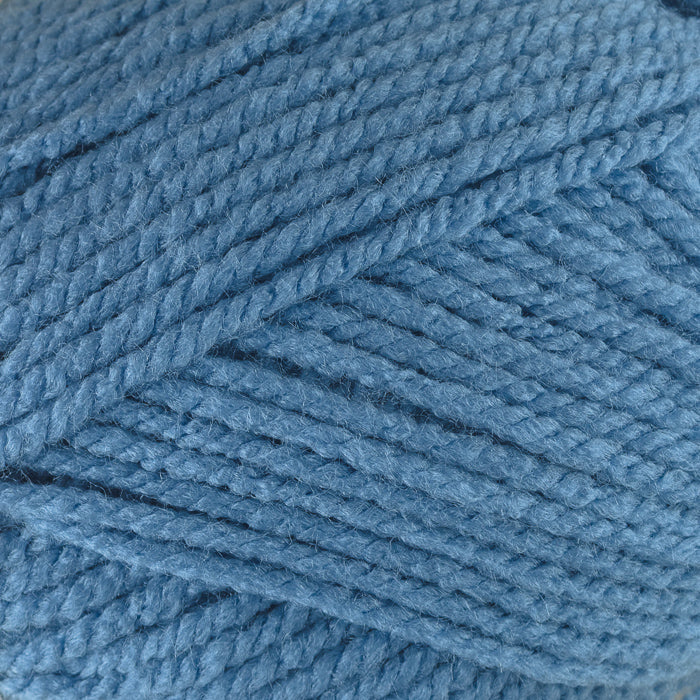
- Range of pastel tones: dusty pink, lavender, sky blue, and vanilla, ideal for delicate and sophisticated fabrics.
Tips for working with autumn and winter yarns
To achieve the best results when working with synthetic autumn and winter yarns, consider these key aspects:
- Recommended needles: Use 6-7 mm knitting needles or a 5 mm crochet hook for balanced tension.
- Suitable stitches: Being slippery, polypropylene works best with stitches that provide structure.
- Washing and care: Machine wash at a maximum of 30°C and iron at low temperature.
Featured applications of yarns
Synthetic autumn and winter yarns can be used in multiple projects due to their strength and adaptability:
- Fashion: Scarves, bags, hats, and modern accessories.
- Home decor: Rugs, cushions, and decorative blankets.
- Outdoor use: Picnic blankets, weather-resistant covers, and camping accessories.
Frequently asked questions
1. What is the difference between autumn and winter yarn?
- Autumn yarn: Light, breathable, and versatile, ideal for changing temperatures.
- Winter yarn: Thicker and warmer, designed to offer superior thermal insulation.
2. How should I care for my wool garments?
- Air and steam to avoid unnecessary washing.
- Use cold water and mild detergent when washing.
- Avoid the dryer and dry flat.
- Use a soft brush or lint remover to maintain the fabric.
3. Can I use wool in other seasons?
Yes. Autumn and winter yarns are insulating materials that regulate temperature. Autumn yarn is ideal for temperate climates, while winter yarn provides greater warmth.
Why choose Lanas Rubí for your projects
At Lanas Rubí, we focus on quality and innovation. By choosing our autumn and winter yarns, you enjoy:
- Cutting-edge materials: We incorporate the best textile trends.
- Guaranteed quality: We carry out rigorous controls on each fiber.
- Personalized advice: We help you find the perfect yarn for each project.
Discover our collection of autumn and winter yarns and choose the best option for your projects.
Visit our online store and start knitting today.