Knitting Techniques: Specialty Yarns for Hand Knitting, Crocheting, and Knitting
The success of any knitting project largely depends on choosing the right material. At Lanas Rubí, we offer a wide range of fibers designed for different knitting techniques, from crocheting to knitting. Knowing the characteristics of each type of material will allow you to achieve the best finish in your creations and ensure their durability.
The world of knitting has evolved with the appearance of new materials and fiber combinations that allow for projects with greater precision and quality. Depending on the technique you use, certain types of specialized yarns and fibers may be more suitable for achieving better results. Below, we explore the best options for each technique.
Specialty Yarns According to Knitting Technique
1. Recommended Materials for Finger Knitting
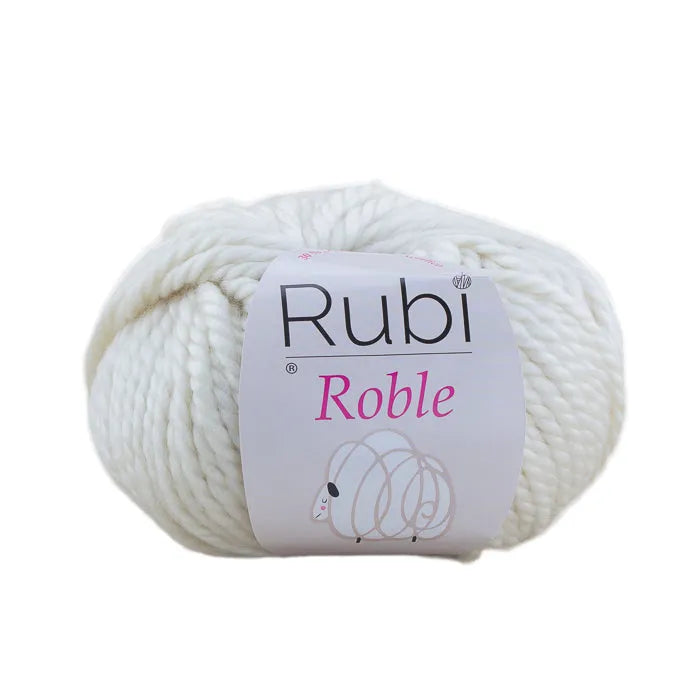
If you want to create projects without the need for needles, it is ideal to choose thick and highly elastic fibers. Some excellent options include:
- Extra-thick merino wool: perfect for blankets and voluminous accessories.
- Jumbo-weight acrylic yarn: ideal for quick and decorative projects.
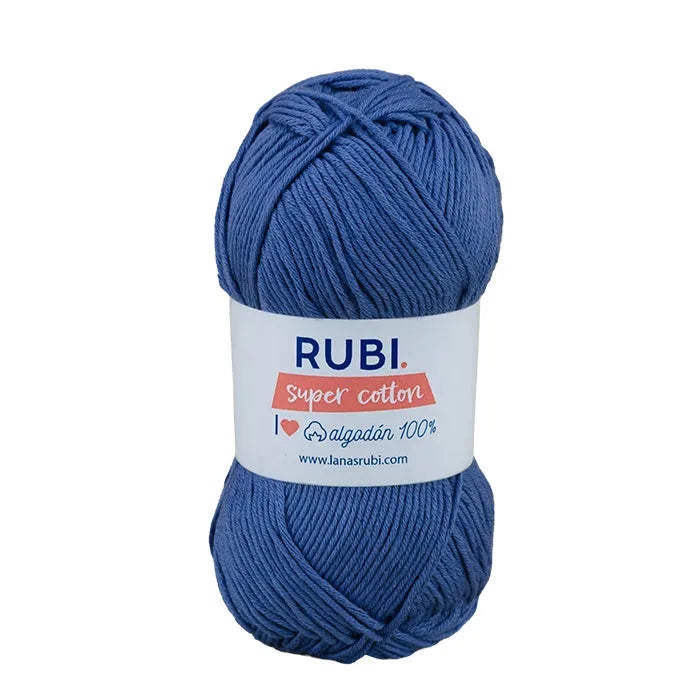
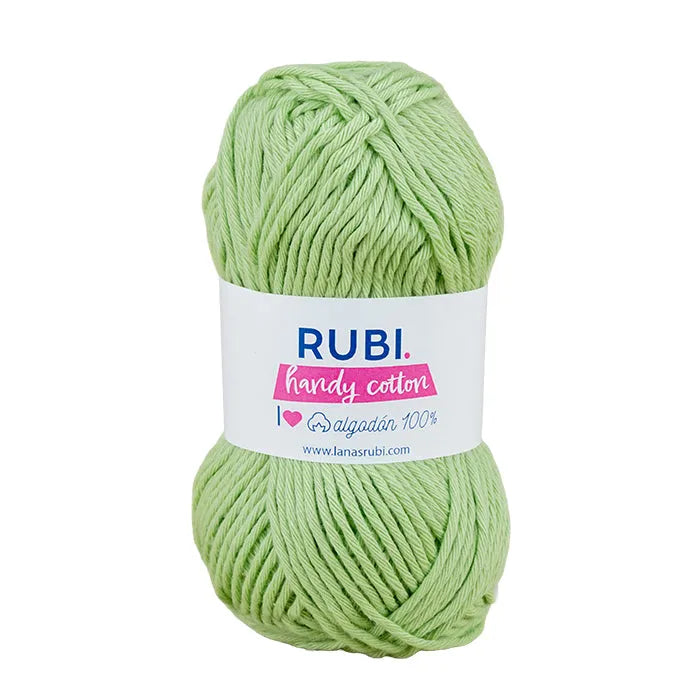
- Chunky cotton: provides greater firmness in fabrics without losing flexibility.
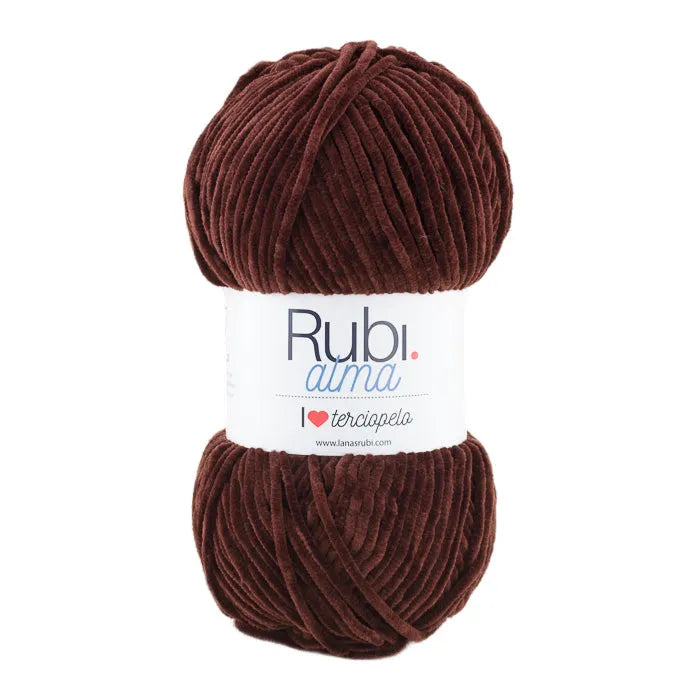
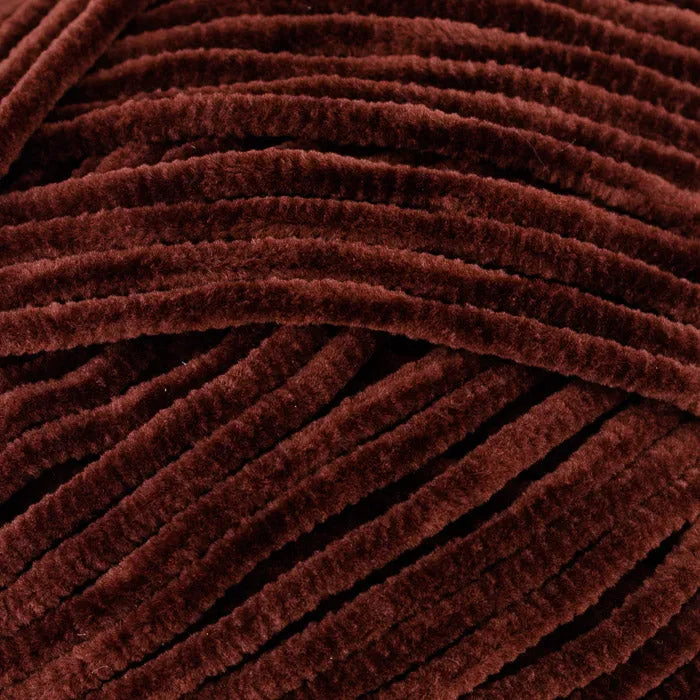
- Chenille yarn: famous for its softness and velvety finish, perfect for blankets and cushions.
- Acrylic and natural wool blends: offer greater durability and a pleasant feel.
These materials allow you to work directly with your hands, obtaining wide and well-defined stitches without the need for additional tools.
2. Recommended Options for Crocheting
Crochet benefits from yarns with a balanced twist that prevents fraying and allows stitches to remain defined. Some ideal options are:
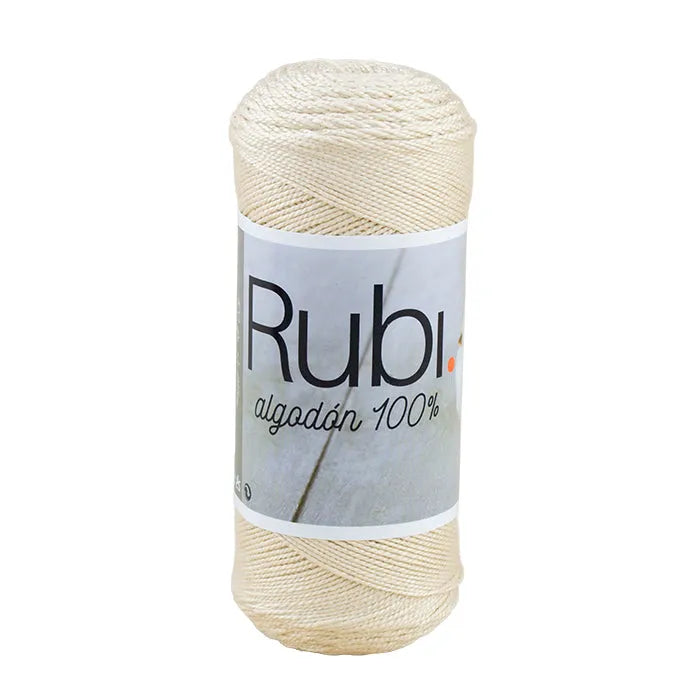
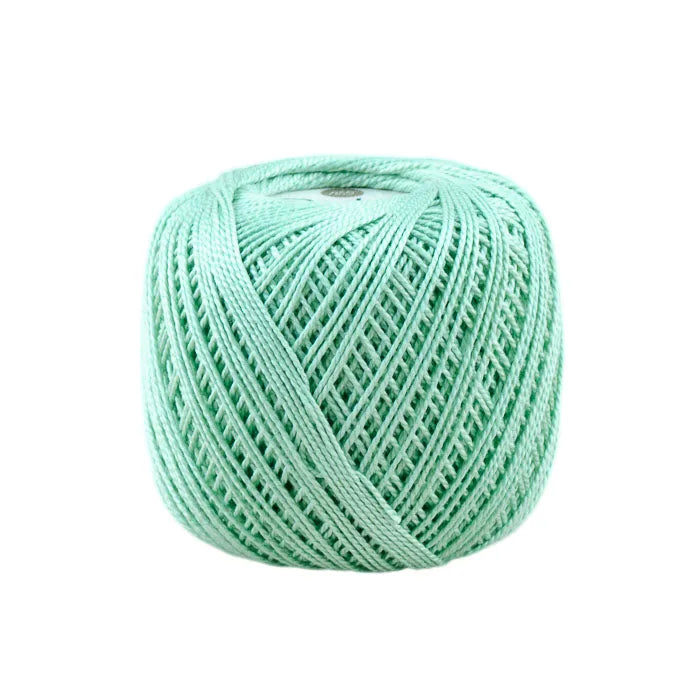
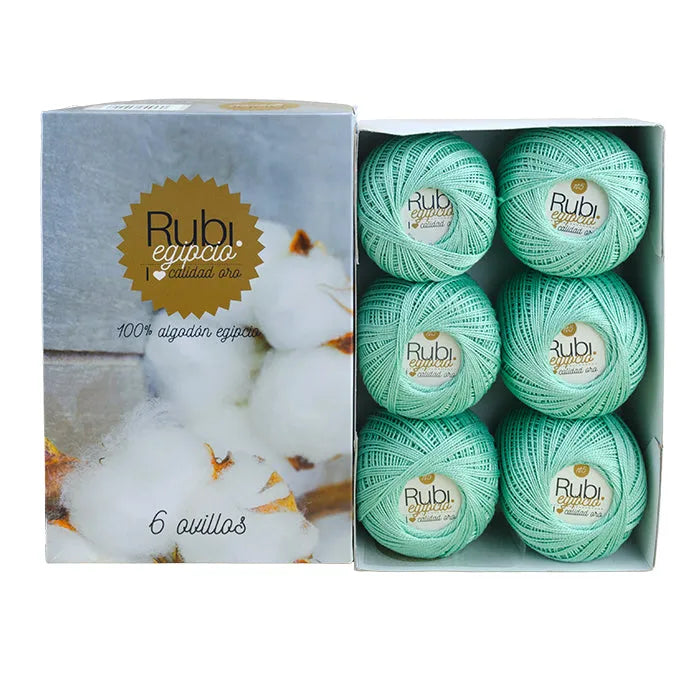
- Mercerized cotton: its natural sheen and firmness promote precision in details.
- Superwash wool: ideal for garments, as it is easy to wash and maintains its shape.
- Bamboo yarn: recommended for light and breathable projects.
- Linen yarn: provides a rustic and resistant finish.
- Hemp yarn: an eco-friendly alternative for accessories and decoration.
For best results in crocheting, it is advisable to choose quality yarns that maintain their structure over time. The appropriate thickness should also be considered depending on the type of hook used.
3. Ideal Yarns for Needle Knitting
Knitting requires materials that glide smoothly over the needles and provide comfort while knitting. Some of the most recommended options include:
- Alpaca wool: renowned for its softness and thermal capacity, ideal for warm garments.
- Medium-weight merino wool: perfect for sweaters and scarves with a sophisticated finish.
- Silk and wool blend: a combination that provides shine and refined texture.
- Mohair wool: provides a fluffy and light effect.
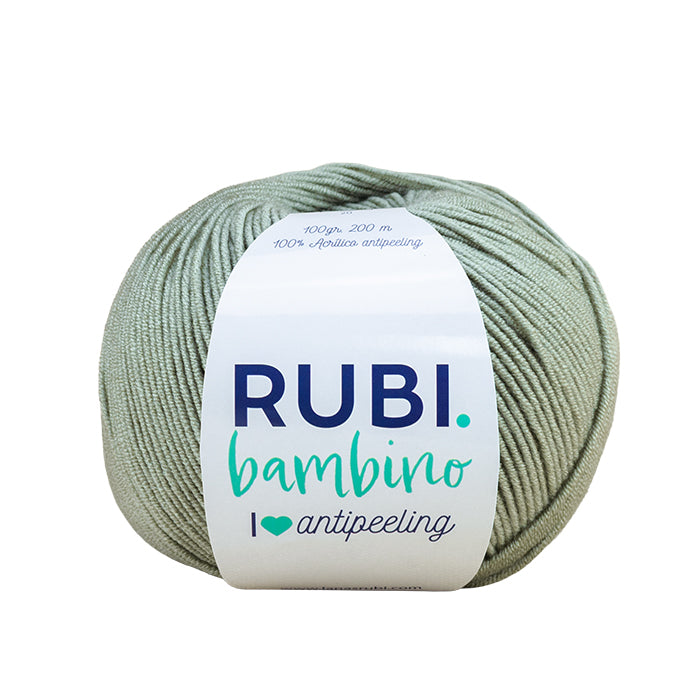
- Acrylic and natural wool blends: combine softness and resistance, ideal for frequently worn garments.
Selecting the correct thickness and composition can make a big difference in the final result of your projects.
Tips for Choosing the Best Yarn According to the Project
- Define the purpose of the fabric and its level of use before selecting the material.
- For designs with detailed stitches, choose fibers that maintain the fabric's structure.
- If you prefer easy maintenance, opt for machine-washable options, such as superwash wool.
- Experiment with combinations of materials to obtain different textures and finishes.
- Always consult the yarn label to check its composition and care instructions.
- If you are learning to knit, opt for medium-weight yarns, which allow you to clearly see each stitch.
Comparison of the Most Used Fibers in Knitting
Fibers can be natural or synthetic, each with specific properties:
Natural Fibers:
- Sheep's wool: very versatile, suitable for a wide variety of projects.
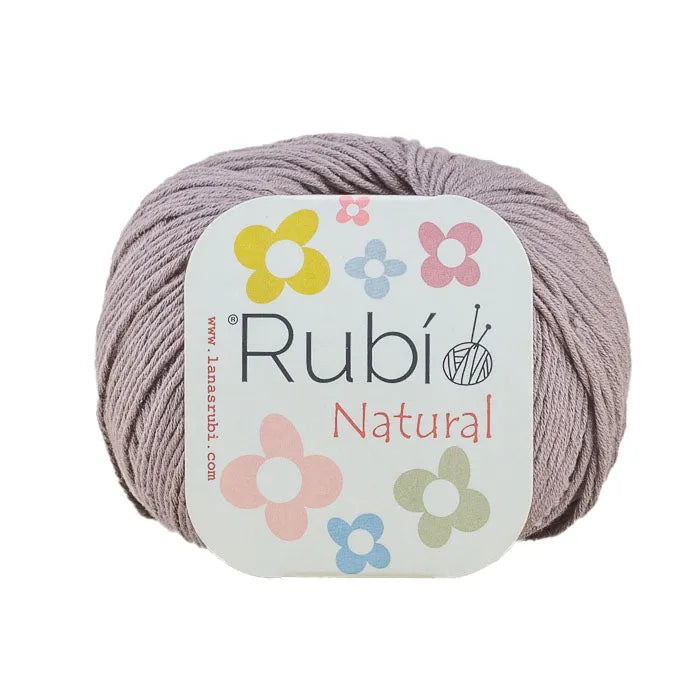
- Cotton: breathable and suitable for summer garments.
- Alpaca: warmer and softer than sheep's wool, perfect for winter.
- Silk: provides shine and a delicate texture.
- Linen: resistant and with a rustic touch, ideal for decoration and accessories.
Synthetic Fibers:
- Acrylic: economical, lightweight, and easy to care for.
- Polyester: provides durability and wear resistance.
Choosing the right fiber is key to ensuring the quality and durability of each knitted item. Often, combining natural and synthetic fibers improves the resistance of garments without losing softness.
Frequently Asked Questions About Knitting Yarns
What is the best option for crochet beginners?
Mercerized cotton and medium-weight acrylic fibers are excellent options, as they allow for good stitch visibility and are easy to handle.
What materials are ideal for finger knitting projects?
Extra-thick options, such as merino wool and jumbo-weight acrylics, are perfect for these types of projects.
How to prevent yarns from tangling while working?
Place the ball of yarn in a basket or holder and progressively unwind the strand.
What yarn is the most resistant for frequently worn garments?
Combinations of natural fibers with acrylic or nylon provide greater durability without losing softness.
How to care for knitted garments made with specialty materials?
Always follow the instructions on the yarn label. In general, hand washing in cold water and drying on a flat surface is recommended.
Find the best yarn for your projects at Lanas Rubí
Selecting the right material is essential for your creations to have a quality finish. Explore our collection of specialized fibers and choose the perfect option according to your favorite technique. Whether you practice crochet, knitting, or hand knitting, at Lanas Rubí you will find everything you need to bring your ideas to life. Start knitting today and create unique pieces!